Defiance From the Ninth Row
Defiance From the Ninth Row
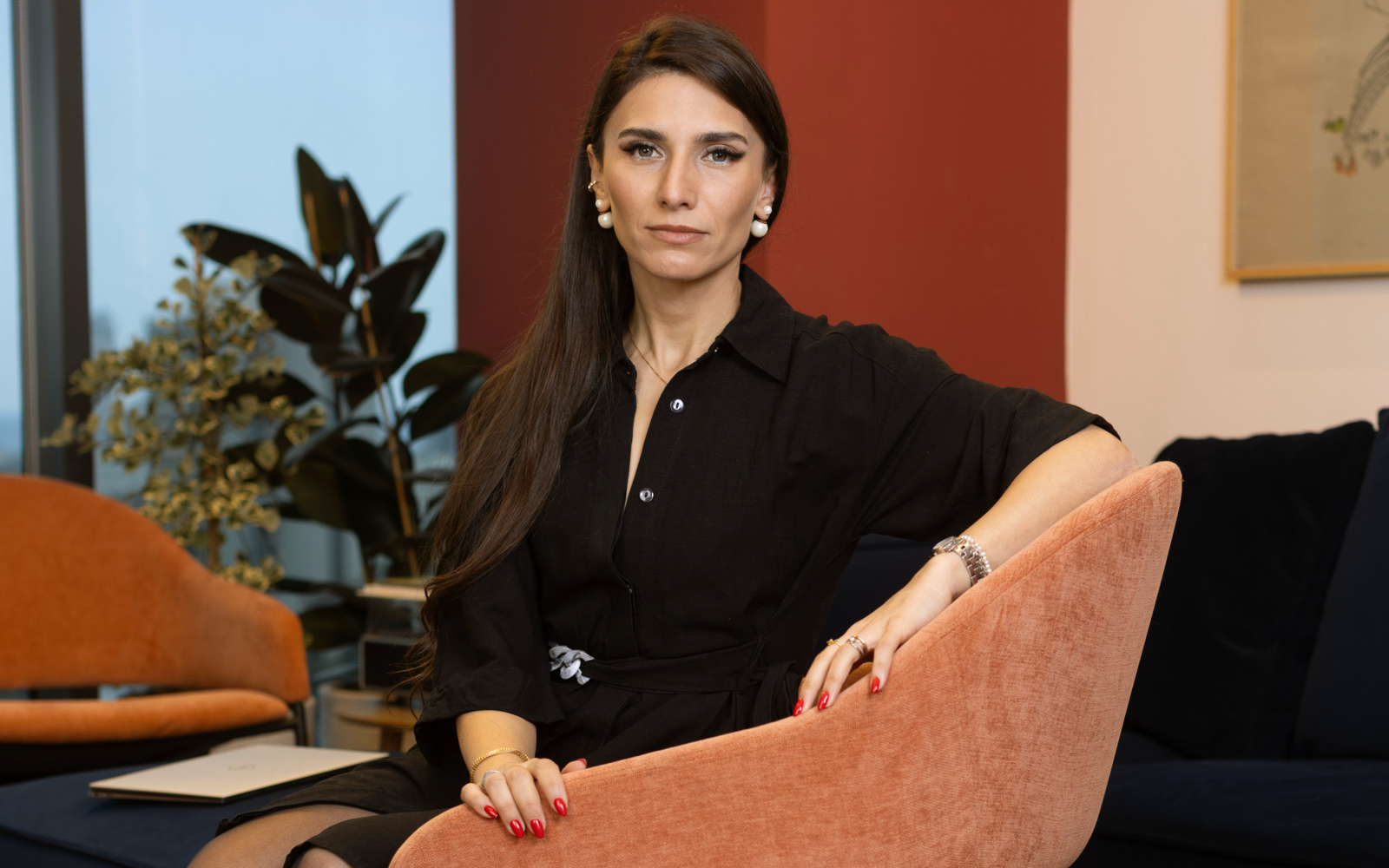
From bomb shelters in Tehran to the front lines of global cybersecurity, Sanaz Yashar’s life is defined by survival, defiance, and bravery. With Zafran, she’s arming companies with comprehensive platforms to transition from reactively responding to threats to proactively preventing and mitigating the risk.
The Men in Gray Suits
Sanaz Yashar remembers the day men in gray suits visited her school in Tehran. The 2,000 students stood at attention in military-precision lines and identical uniforms. The men announced the assassination of Israeli Prime Minister Yitzhak Rabin and, with barely disguised satisfaction, proclaimed the fall of Israel would follow. They quoted the words of Karl Marx, claiming capitalism was already rotting the country from within.
Sanaz, a vocal girl who stood out among the other female students, listened with defiance building inside. How dare they quote Marx, something they were not even permitted to read? How dare they exploit someone’s assassination for their own agenda, while ignoring the real issues that affect people’s lives and failing to focus on the concerns that genuinely matter to the Iranian public? Standing in the middle of the ninth line, defiance rising, she raised her hand to speak. They ignored her—she raised her voice, and fellow students began chanting her name, “Yashar! Yashar! Yashar!” to the point of attention-grabbing disruption. After order was finally restored, the students were dismissed to their classrooms, and Sanaz was summoned by the men in gray suits.
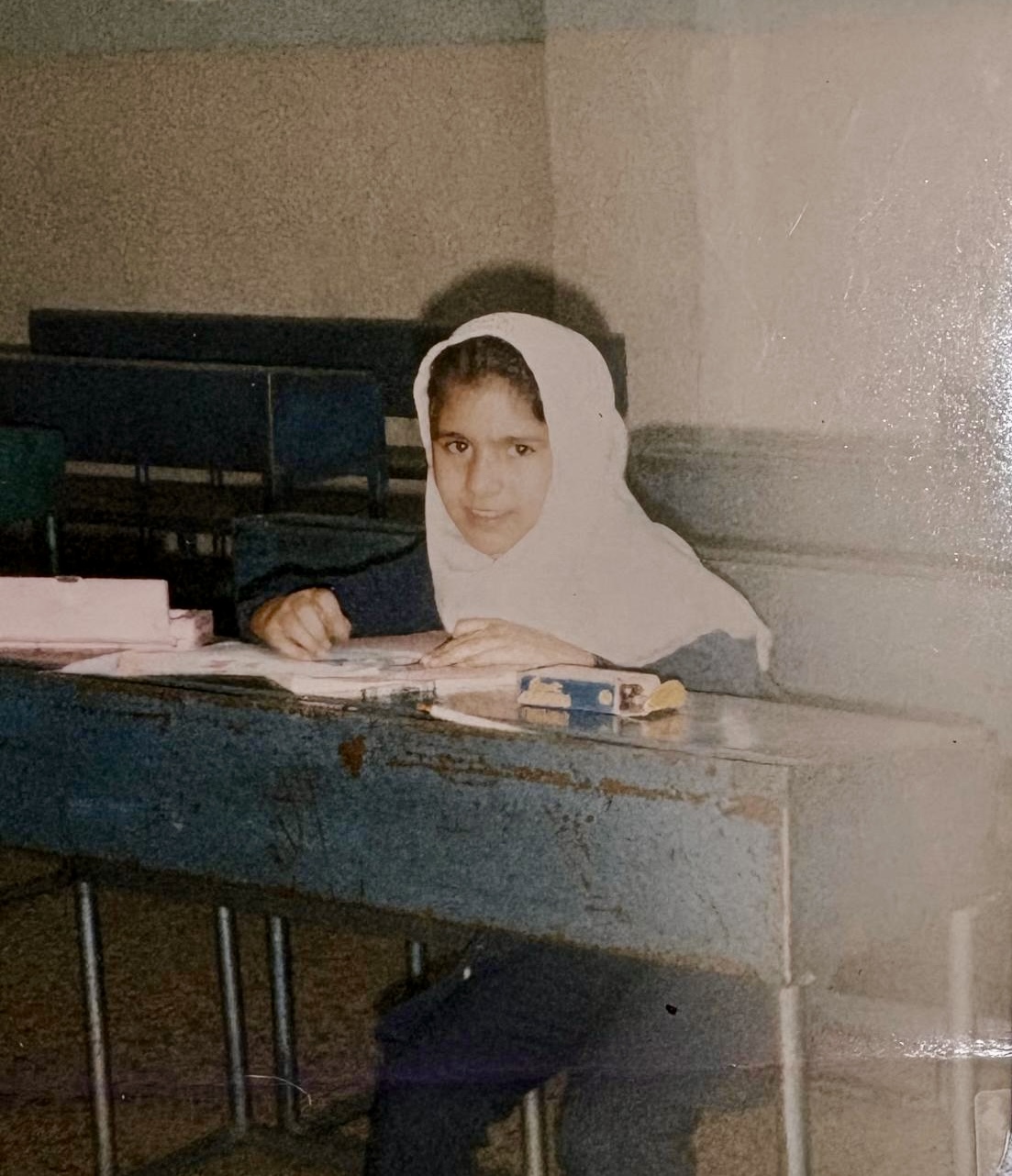
As she walked into the room, the men explained they were from the government. They berated her with question after question, trying to uncover Sanaz’s motivation for speaking out—who was behind this act of defiance? Was she being paid to say such treacherous things? After an exhausting 40 minutes, the line of questioning ended with one of the men saying, “There are many car accidents in Tehran, be careful.” Not understanding the meaning of the warning, Sanaz recalls proudly sharing the ordeal at dinner with her parents, who listened supportively. But when she got to the part about the advice to “be careful”, her father dropped his fork and knife. He understood what she did not—this was a very real and immediate threat to their safety. Shortly after, they fled Tehran for Israel.
Survival Innovation
As a child during the Iran-Iraq war, when the sun began to set, it meant racing to the shelters as rockets fell overhead. Seeking safety was a daily occurrence, but hearing voices buried in the rumble as they fled, horrified her each time. While huddled together in safety along with their neighbors, the adults would find ways to help pass the time for the kids.

At five each evening, they would show an episode of Ikkyū-san, a Japanese animated series about a boy who solved riddles. Sanaz recalls that this show became “her everything”—it was a way to escape the reality of war by occupying her mind. Each episode presented two problems—one simple, one difficult. Sanaz challenged herself to solve both, often lying awake replaying puzzles in her mind until she cracked them, even as bombs shook the city above.
Sanaz calls it “survival innovation.” When nothing felt safe or predictable, she found comfort in being able to solve problems with answers. It was her way of building strength—by training her mind to look beyond fear and find solutions.
A Scholar’s Path
Despite an unthinkable time of turmoil in Tehran, Sanaz excelled as a student. By the age of just 16, she published research papers, competed in the International Chemistry Olympiad, and earned her high school diploma—two years ahead of her peers.
In Israel, she enrolled at Tel Aviv University to pursue her studies in biology. Her research focused on a protein associated with Alzheimer’s, and she held ambitions of publishing groundbreaking findings in Nature, the gold standard for scientific research.
During the first year of her studies, two guests silently appeared in the classroom. Given her experience in Tehran, she was initially guarded, but they were not there to reprimand her for her perspectives; instead, they valued them. Leading her into a command room with a triangular table and six people waiting, they introduced themselves as members of Israeli intelligence. They were there to recruit Sanaz for the Israel Defense Force’s elite intelligence and cyber unit. On the screens, they shared examples of the attacks they intercepted and neutralized.
The revelation was immediate. She didn’t even know what this work was called, but she knew she wanted to do it for the rest of her life. Remembering that moment, she explains, “I fell in love.”
On the Front Lines of Global Security
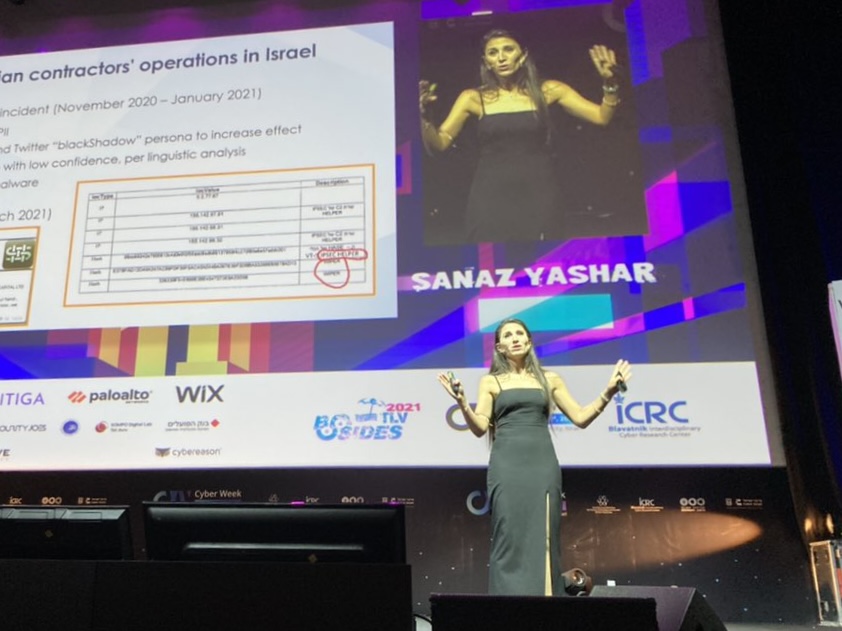
That first encounter turned into a 15-year career in Israel’s intelligence services. Sanaz worked through the revolution of cybersecurity, building capabilities that were still in their infancy, and collaborating with colleagues across the Five Eyes alliance. Their core mission: track adversaries, find vulnerabilities, protect against the kinds of attacks that could destabilize entire nations.
The work was both fulfilling and unrelenting. It demanded the same resilience she had practiced as a child, solving Ikkyū-san puzzles, and the same instinct to find answers when others were consumed by fear.
After an accomplished career in the military, Sanaz felt the pull from the private sector to move beyond hacking and into defense. She joined Cybereason, founded by a fellow alumnus of her unit, where she led the cyber intelligence team. Next, she joined Mandiant as a threat analyst, investigating the world’s most significant breaches, from state-sponsored campaigns to attacks crippling global corporations. The vulnerability of organizations consumed her. They didn’t know when the attack would happen, from where it would come, and they didn’t have the means to protect against all the unknowns.
One case in particular shifted her perspective. During the height of the pandemic, a ransomware attack struck a hospital. Patient admissions were blocked. Doctors lost access to critical health data, such as blood types, and care ground to a halt. Patients suffered; one died. The hospital couldn’t pay the ransom, and all the files were deleted, gone forever.
Sanaz had witnessed numerous sophisticated attacks before, but this one left her shaken. It wasn’t about stealing secrets or disrupting systems. It was about endangering lives. “That attack was pure evil,” she says.
For the first time, she felt helpless—and that feeling did not sit well with her. Investigating after the fact wasn’t enough. She wanted to prevent attacks before they happened.
Building Zafran
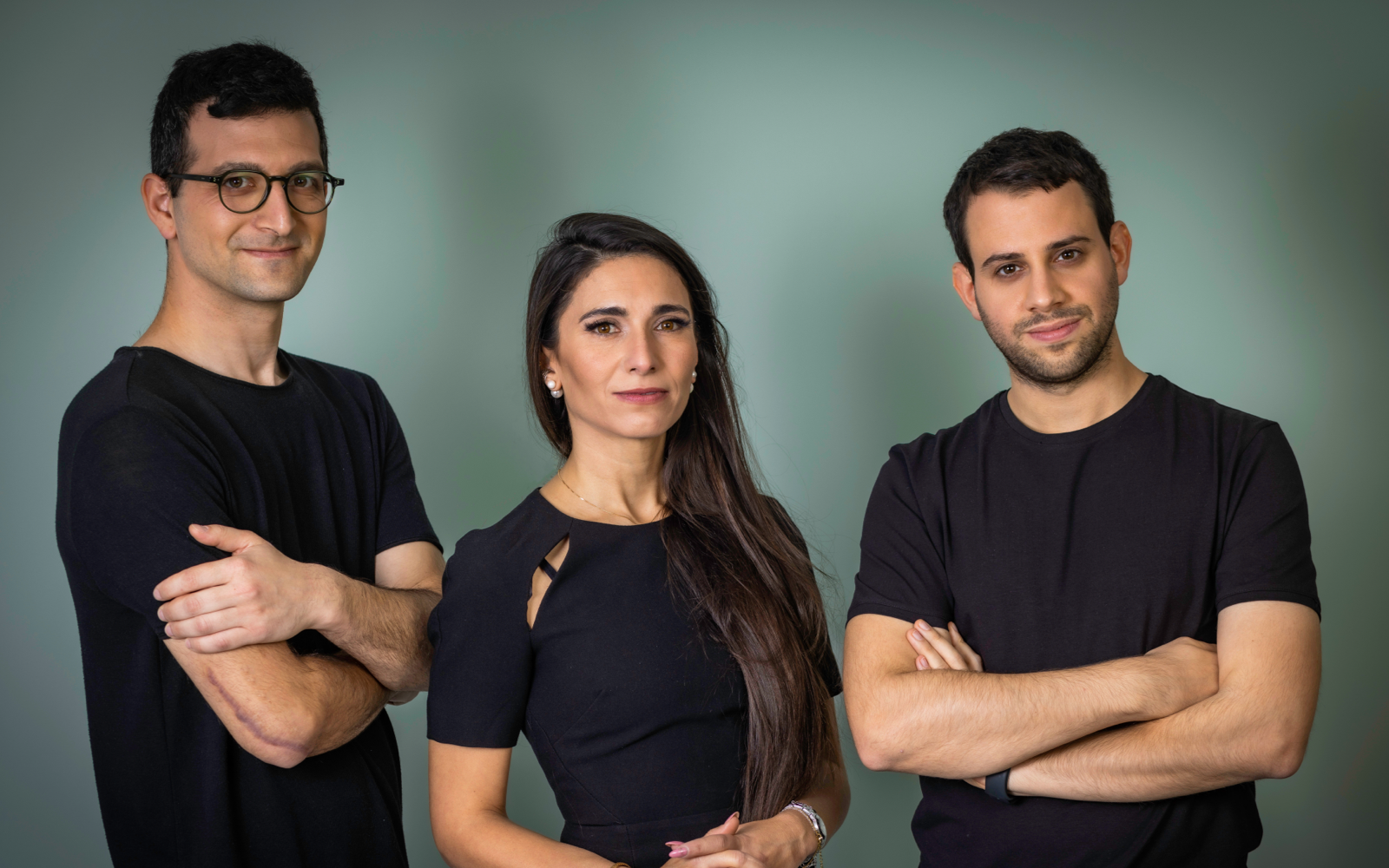
That conviction led to Zafran. Sanaz teamed up with two founders of security companies involved in the investigation, whom she knew from her military days, both highly respected cybersecurity experts. United by a resolve to do something for the “good guys,” they set out to give defenders the upper hand—to shift security from reactive to proactive, and to protect the most critical systems before adversaries could exploit them. Most recently, Zafran has introduced Agentic Remediation™ to help defenders counter the speed of AI-powered attacks.
For Sanaz, Zafran is the natural continuation of her story. From solving riddles in a shelter to standing up to men in gray suits to tracing cyber adversaries worldwide, her life is defined by determination and bravery.
“You need to believe you can change bad things,” she says, “and believe in your power to do it.”
Up next

Local Kitchens CEO Jon Goldsmith on new capital, new markets and the restaurant experience

Israeli tech community honored at NYSE as entrepreneurs ring opening bell