High School Dropout, Lifelong Rule-Breaker
High School Dropout, Lifelong Rule-Breaker
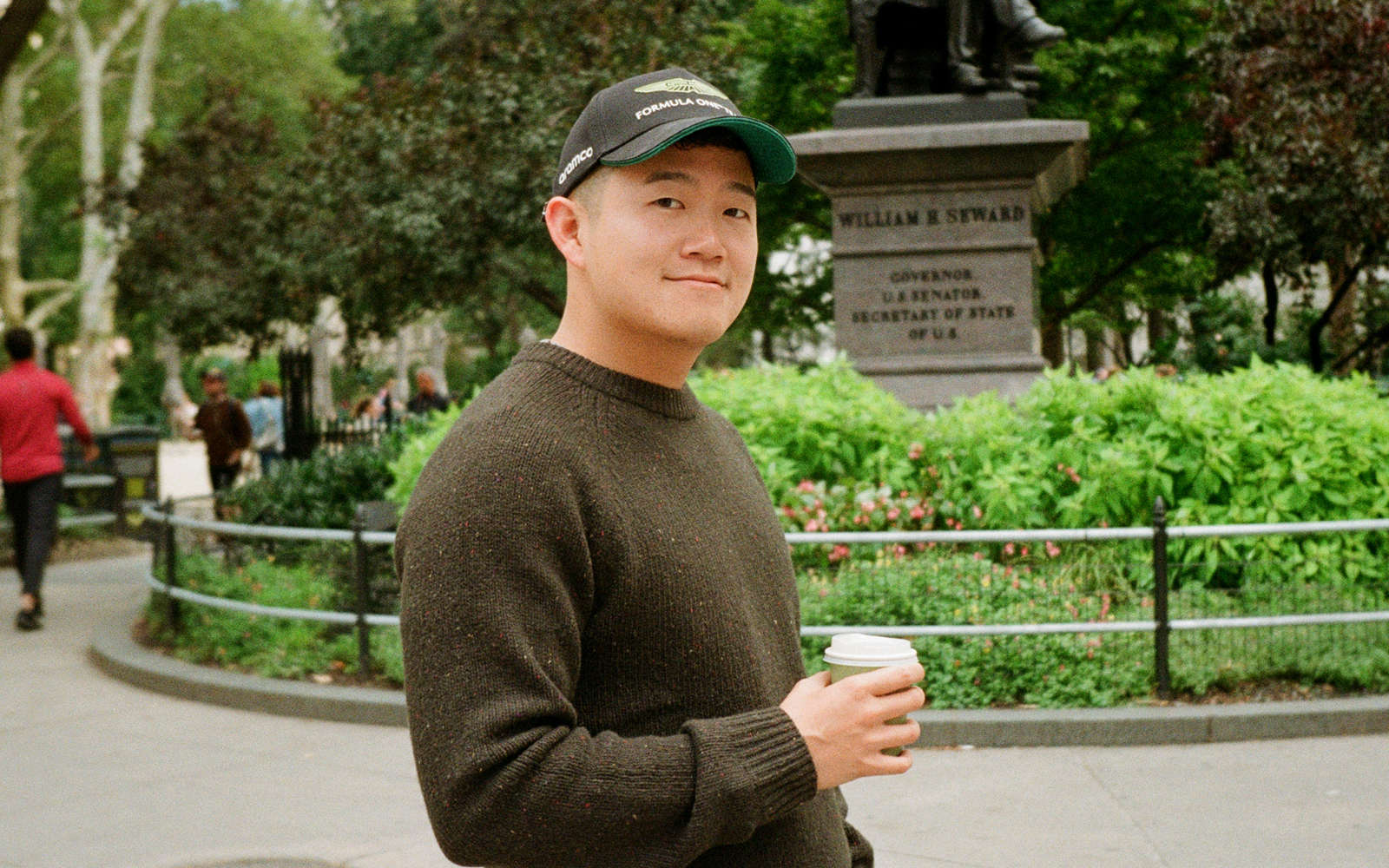
Austin Chen learned early on that “selective rule breaking” was a good thing. From dropping out of high school to apply to Berkeley, to hanging out backstage at Flume concerts and founding Marlo, an AI agent for creators, he follows his instincts and the data.
Sibling rivalry was a constant in the Chen family. Unlike most families, however, Austin and his brother’s competitiveness rose to an unprecedented level: a challenge to get into the University of California, Berkeley. Austin’s older brother, who was class valedictorian, chose Berkeley from a long list of prominent schools recruiting him, including Yale. In contrast, Austin, still a junior in high school at the time, was an average student and nowhere near the level of academic accomplishment of big brother. But that didn’t stop him from not only meeting the challenge head-on, but raising the stakes entirely—yes, he would get into Berkeley, and he was going to drop out of high school to do it.

Austin talked a big game, primarily based on his gut feeling, but he needed a strategy—and fast. He began by researching which majors provided the best chance at success. Statistically speaking, architecture had the highest acceptance rate, so he figured, good enough, let's start here. He wrote a letter to the university, explaining why he thought the best path to continue his education was at Berkeley. The administration, while amused, said no. Undeterred, Austin decided to strengthen his case and set out to add achievements to his sparse resume, like winning the Lawrence Livermore science fair in botany. Austin wrote again, and again, with growing conviction, and added achievements, until finally—either out of exhaustion or a realization that Austin just might be right—Berkeley finally said yes. This early lesson stuck: persistence mattered, and some rules were worth testing.

Selective Rule Breaking
Austin felt empowered at an early age to pressure-test rules. His parents immigrated from Taiwan to the United States to pursue a better life for their family. His father earned his Ph.D. and was an accomplished engineer at Bell Labs in New Jersey when a near-death experience sparked his father’s bigger American dream and opened his mind to taking risks.
Austin’s family of four moved to California, where his father pursued the life of an entrepreneur, founding his own semiconductor company, which was later acquired. With his family’s stability secured, Austin’s father continued to build, founding new companies and trying new ideas—some worked, while others didn’t. So, when Austin told his parents he planned to drop out of high school for Berkeley, their advice was simple: go for it, and if you fail, go back and finish.
Road Trips & Finding the Signal
At college, sibling rivalry gave way to academic competitiveness among his Berkeley friends on road trips. To pass the time, he and his friends would share new music they discovered, and it quickly became a competition—who could find the best, most budding new artist? Austin and his friends took the competitions seriously, scraping data from across the Internet and building spreadsheets to track which artists might be on the verge of making a big break.
As they developed their insider information and reputations in the music scene, they began finding themselves moving from the audience to backstage. One night backstage at Flume, an Australian musician, DJ, and record producer, Austin and his friends shared with Flume’s manager how they built their database of emerging artists, how they identified trends, and what the next biggest hit would be, among other things. The manager felt like he had uncovered a gold mine of insights and was willing to pay tens of thousands to get ongoing access. A friendly competition between friends turned into a never-ending road trip, and suddenly, a legitimate business.
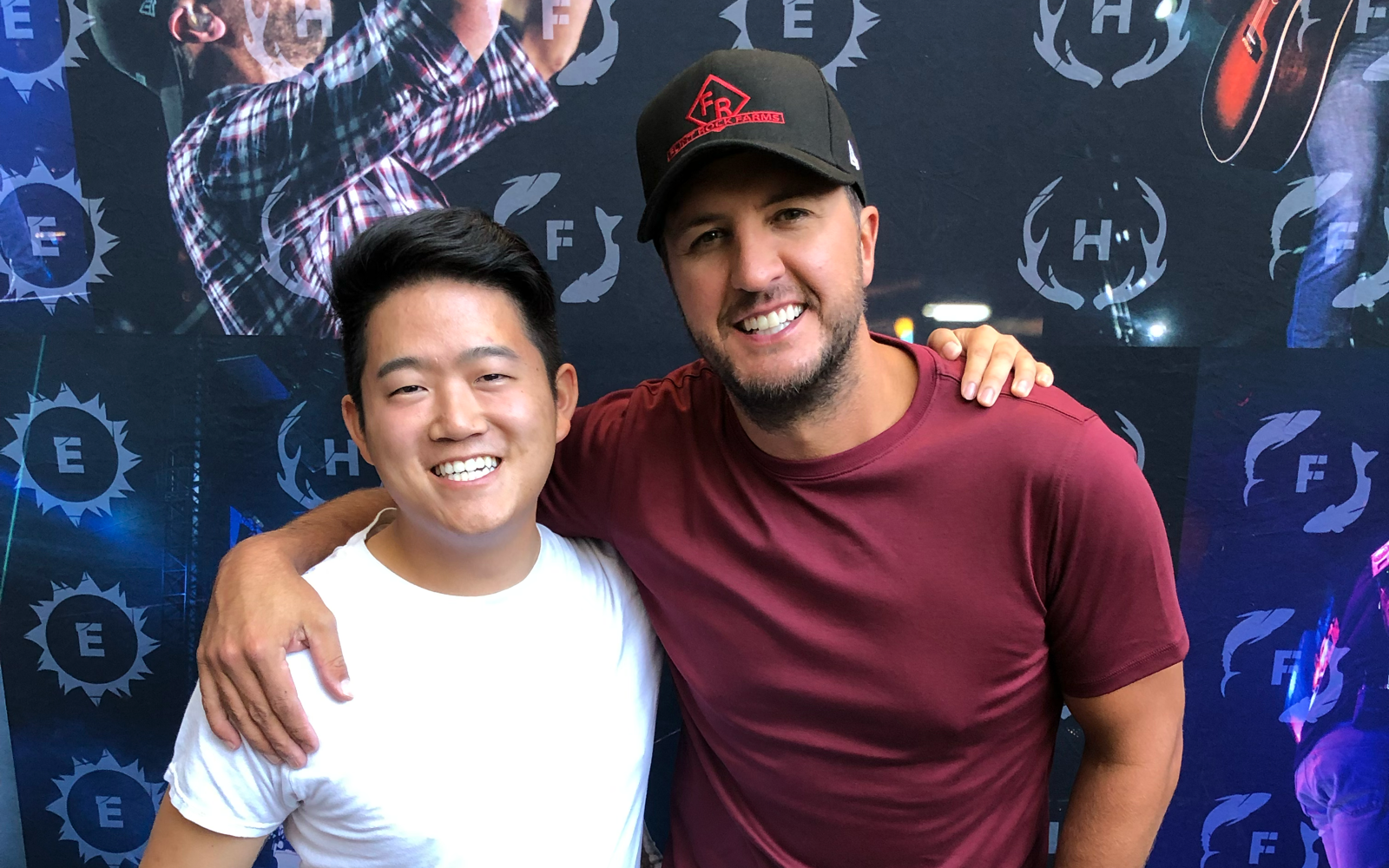
Austin and his co-founders toured with Flume and his manager all around the world, working with major record labels and establishing themselves as a fixture in the new music scene. During those early days, Austin was relentless about finding a signal in places others overlooked. He discovered ways to access streaming data that gave his young company a unique edge—information that, at the time, was rarely available outside the largest platforms. That advantage propelled the business forward until it had the scale and momentum to stand on its own.
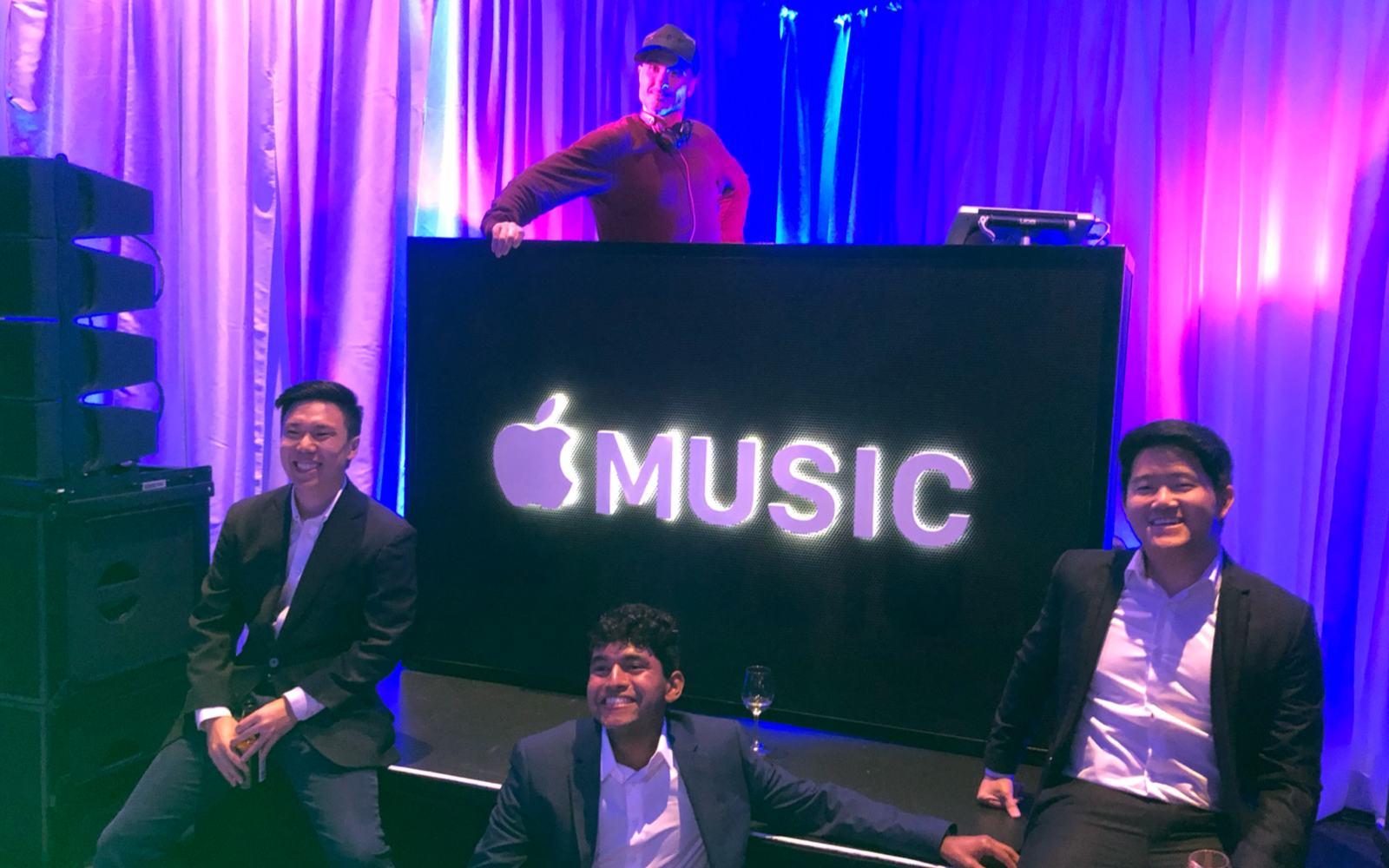
That company grew, toured, and built connections across the industry before it was acquired by Apple. Inside Apple, Austin worked on Apple Music, utilizing Shazam data to identify emerging artists, developing the DJ Mix label, and collaborating with Platoon—the label that signed Billie Eilish. He helped develop Apple Music’s Platoon, a platform for artists to manage their content, streams, and revenue, paying out hundreds of millions to artists and providing a strong revenue stream for Apple Music. For nearly five years, he helped discover artists across Afrobeats to K-pop before deciding it was time to leave and try something new.
Scaling Communication to Creator’s Impact
He joined TikTok, which was emerging as a powerful platform for new music discovery and a launch pad for artists to achieve mainstream success through viral moments and challenges. Austin’s job was to lead their label program and creator monetization, bringing products like TikTok Shop, Taylor's Eras Tour, and Super Fans to market, driving hundreds of millions of dollars in revenue. Through his work, he developed a deep appreciation for creators and the impact on culture and society. In contrast to their massive influence, he saw firsthand how limited their resources were.
He discovered that creators were inundated with hundreds or thousands of inbound messages each day, and social media inboxes weren’t equipped to handle that reality. Opportunities—and hundreds of thousands of dollars in potential deals— were slipping through the cracks. He spoke with creators and the agencies managing them, and their universal pain point was managing the inbound, which became the foundation for Marlo.
Austin is now building an AI-powered operating system for the creator economy—a system to manage communications, handle transactions, and even anticipate opportunities. Unlike most companies in the space, which build for brands, Marlo is building for creators. Today, Marlo works with the top creators and agencies worldwide, processing massive inbound traffic to identify brand deals, collaboration requests, and partnership opportunities.
Intuition Backed By Data
Austin likes to say he takes an "intuition backed by data” approach to life. Thanks to his parents, he’s always been able to tune into what he feels is the right thing to do, even if it means questioning the rules. It’s how he appealed his way into Berkeley, built his first company, and now leads Marlo. Intuition shows him the opportunity, data confirms the path—and together, they turn improbable ideas into inevitable outcomes.
Up next
Voice First: Helping Companies Listen Again

Fostering Connections Between Founders and Industry Leaders for a More Inclusive Workforce