If It’s Too Complicated, You’re Doing It Wrong
If It’s Too Complicated, You’re Doing It Wrong
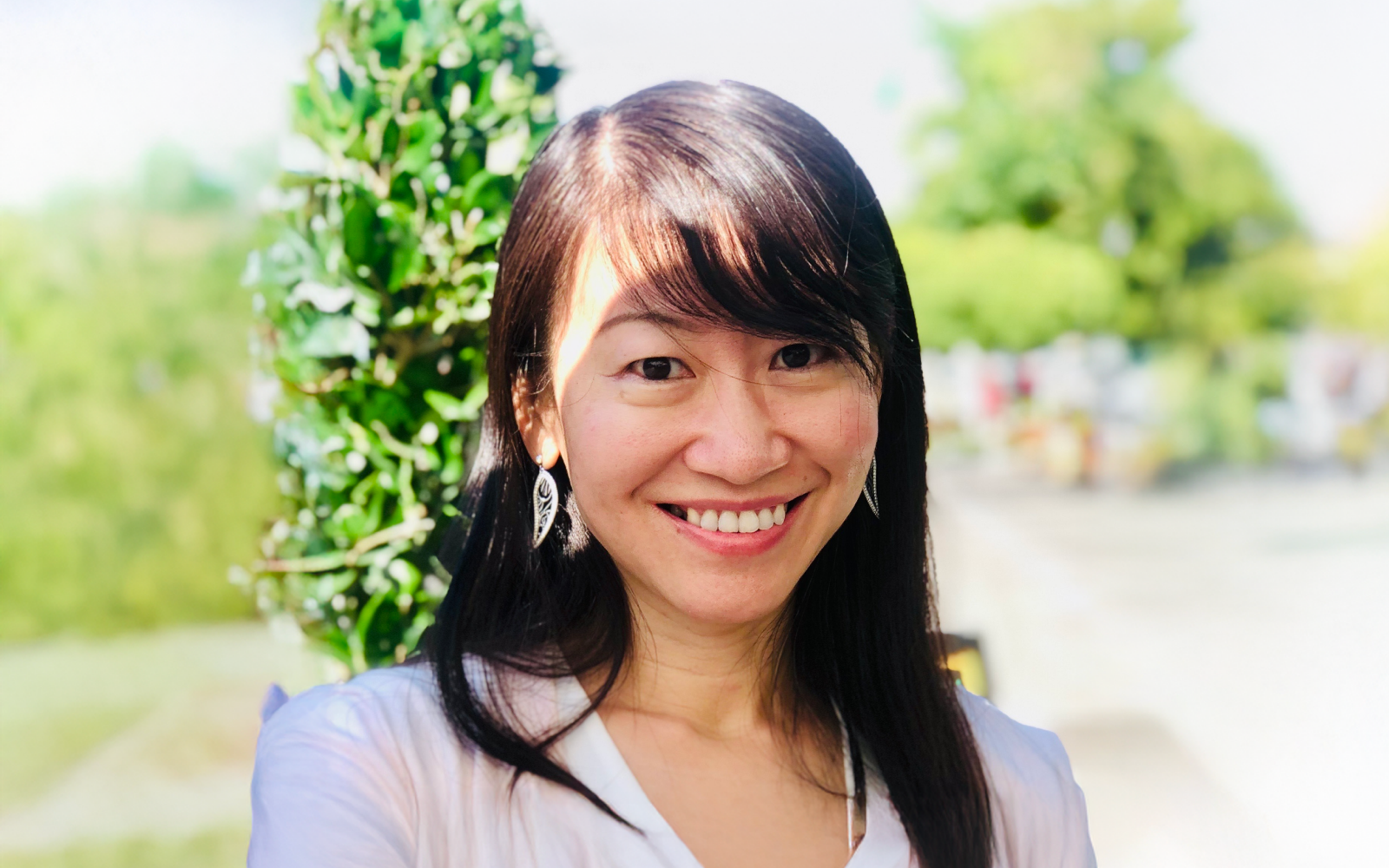
From a childhood spent tinkering beside her father in Beijing to leading engineering teams across some of the world’s largest enterprise companies, Tina Kung has always believed in following her heart. Her journey to become a founder is one defined by resilience, curiosity, and a conviction to chase clarity where most settle for complexity.
The Fan
The oppressive summer heat in Beijing made it difficult for Tina Kung to concentrate. She was a disciplined high school student, intent on keeping her focus on studying, but the continuous days of over 90-degree weather made it impossible. Her father, seeing her daughter struggle, lovingly observed, “Your brain needs to cool down.” To help, her father, a mechanical engineer, set out to build a fan from scratch. He bought wood and shaped it into blades, sourced a motor and spare materials, and assembled everything by hand, recruiting Tina to help along the way.
Once complete, her father switched on the fan, but it didn’t move. “If it’s too complicated, we're doing it wrong,” her father said, and gave the fan a little boost of momentum with his hand—the fan finally hummed to life and cool air filled the room.
While her father’s words were rooted in engineering, for Tina, they became a broader philosophy for problem-solving across all aspects of her life.
Seat at the Table
Growing up in Beijing, both of Tina’s parents were well educated and held government positions in engineering—her father as a mechanical engineer and her mother as an electrical engineer—working as textbook editors for China’s public-school system. During family meals at her grandparents, which often included her aunts and uncles, Tina held a seat at the table alongside the adults.
The conversations fascinated her—China was undergoing a massive transformation. New regulations in the country were creating opportunities for private companies after decades of state control. It was a time of monumental risk and also opportunity. The family would fiercely debate whether to leave the security of reliable but modest-paying government jobs to pursue more ambitious work. Tina’s mother embraced the significant shift in change and felt a strong pull towards the emerging private sector, though the risks weighed heavily on the family.
Eventually, buoyed by Tina’s father's encouragement to follow her heart, her mother made the brave decision to quit her job and join a private company. The move to forgo the safety net of a government role and join an emerging technology company was bold and incredibly risky, not to mention unheard of for a woman in the later stages of her career with young children at home. Nonetheless, she joined what would become a cornerstone company for China’s technology sector.
Watching her mother pursue their dreams despite the immense risk left a lasting impression on Tina: courage was listening to your heart and leaning into your ambition.
Loss, Repair & Resilience
As a young child, Tina looked up to her mother—she was a pioneer, building a successful career while also leading the family at home—raising two children, taking care of the household, and filling it with love and support. When Tina was just thirteen, tragedy struck the family when her mother passed away—a devastating loss at such a critical time in her life. With her brother away at college, she and her father weathered the waves of grief together at home—she recalls these years as some of the most challenging of her life, but also one of new beginnings.
As the sole caretaker and provider, Tina’s father was suddenly forced to lead. He found a new balance in his life between working and raising a daughter. He learned to cook, manage the house, and most importantly, became ever-present in Tina’s life. He was a constant source of love, support, and guidance. He also opened Tina’s eyes to engineering: with a strict budget, her father rarely bought anything new, instead choosing to repair appliances, make furniture, and build from raw materials, including the fan for her desk. Working side-by-side with her father, the two formed an incredible bond—through their love of building, they found a way to move forward together.
Throughout this time, in part as a way to cope with grief, she focused on things she could control, like her academics. She poured all her energy into studying and extracurricular activities—even mastering the accordion—to help move time quickly through high school and then college. With her new love of engineering, she knew in her heart that pursuing a degree in the U.S., where they had the best, most respected programs in computer science, was where she needed to be. Thanks to her father’s support—and the relief of cool air from their hand-built fan—she thrived in her studies and ultimately earned admission to the State University of New York’s computer science program.

Moving to a new country presented the obvious challenges—everything from language to everyday experiences like the lack of public transportation—but for Tina, it was an inevitable next step. While others might expect such a significant move to a new country to be fraught with fear of the unknown, for Tina, it was simply following her heart—just like her mother—and then she would problem-solve with engineering-minded practicality.
She originally planned to stay at the university to earn a Ph.D., but while in graduate school, the lure of the fast-growing technology industry was undeniable. This was the beginning of the dot-com era, and California’s startup scene was filled with equal parts opportunity and failure, much like the rise of China’s burgeoning private sector. Taking inspiration from how her parents embraced the start-up world, she once again followed her heart, this time to California.
Enterprise, Full Stack
Tina’s first roles gave her exposure to the inner workings of enterprise systems. Over time, she gained experience across the front, middle, and back ends of the technology stack — seeing how different pieces of software connected to form a complete system. Her path included roles at Ariba, Oracle, Niku, Zuora, and Salesforce. Each experience taught her something different about how companies scale and where complexity can slow progress. The throughline was always the same: making complicated systems more efficient and accessible.
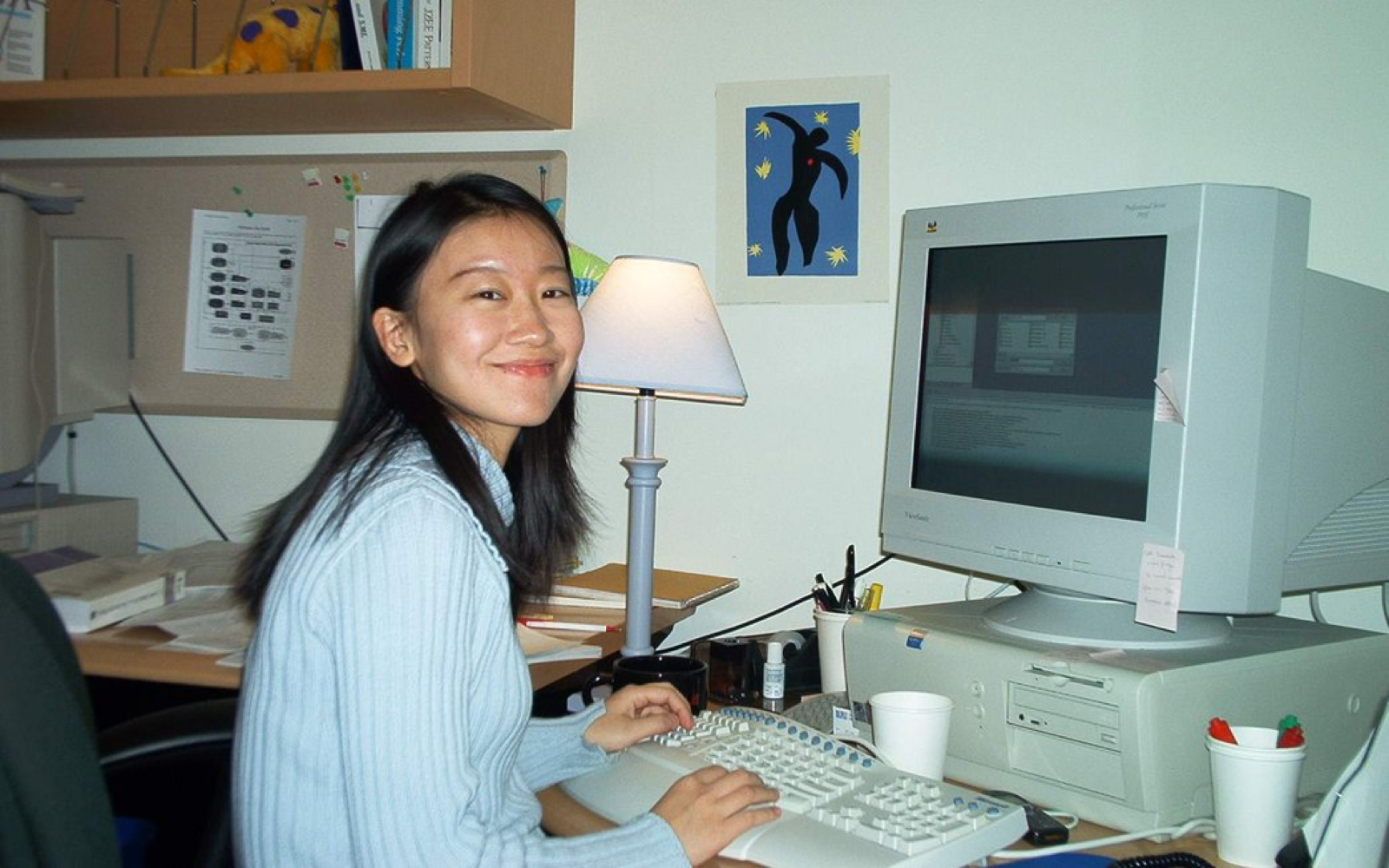
At Zuora, she recalls working on an integration with a third-party reporting tool for revenue. Previous integration attempts failed, and she was tasked with getting it right. One late night in the office, she recalls staring at the data and wondering why it needed to be so complicated. Her father’s advice came to mind—if something felt unnecessarily complicated, the solution was probably to simplify. Then a solution presented itself: smart engineering at the surface wasn’t going to address the problem correctly—the root cause was the underlying object model, which made it difficult to integrate with the rest of the technology stack.
This realization gave her a perspective that others did not have, shifting her focus from fixing the surface-level technical challenges to rethinking and simplifying the fundamentals.
Founding Nue
Drawing on two decades of enterprise experience, she began to connect the dots: her experience at Niku working with Fortune 500 customers; at Zuora, where she “peeled the onion” down to the fundamentals; and at Salesforce, where she learned about the other side of billing. Putting it together, she knew the revenue operations space was where she could make an impact with a simple, innovative solution.
In a lengthy email, she wrote down a high-level vision and the details of improving how modern revenue teams operate—a framework for the company she ultimately co-founded, Nue. Today, the framework still holds: Nue helps organizations align and connect the different layers of their revenue infrastructure, bringing simplicity and visibility to a part of the business that often feels fragmented.
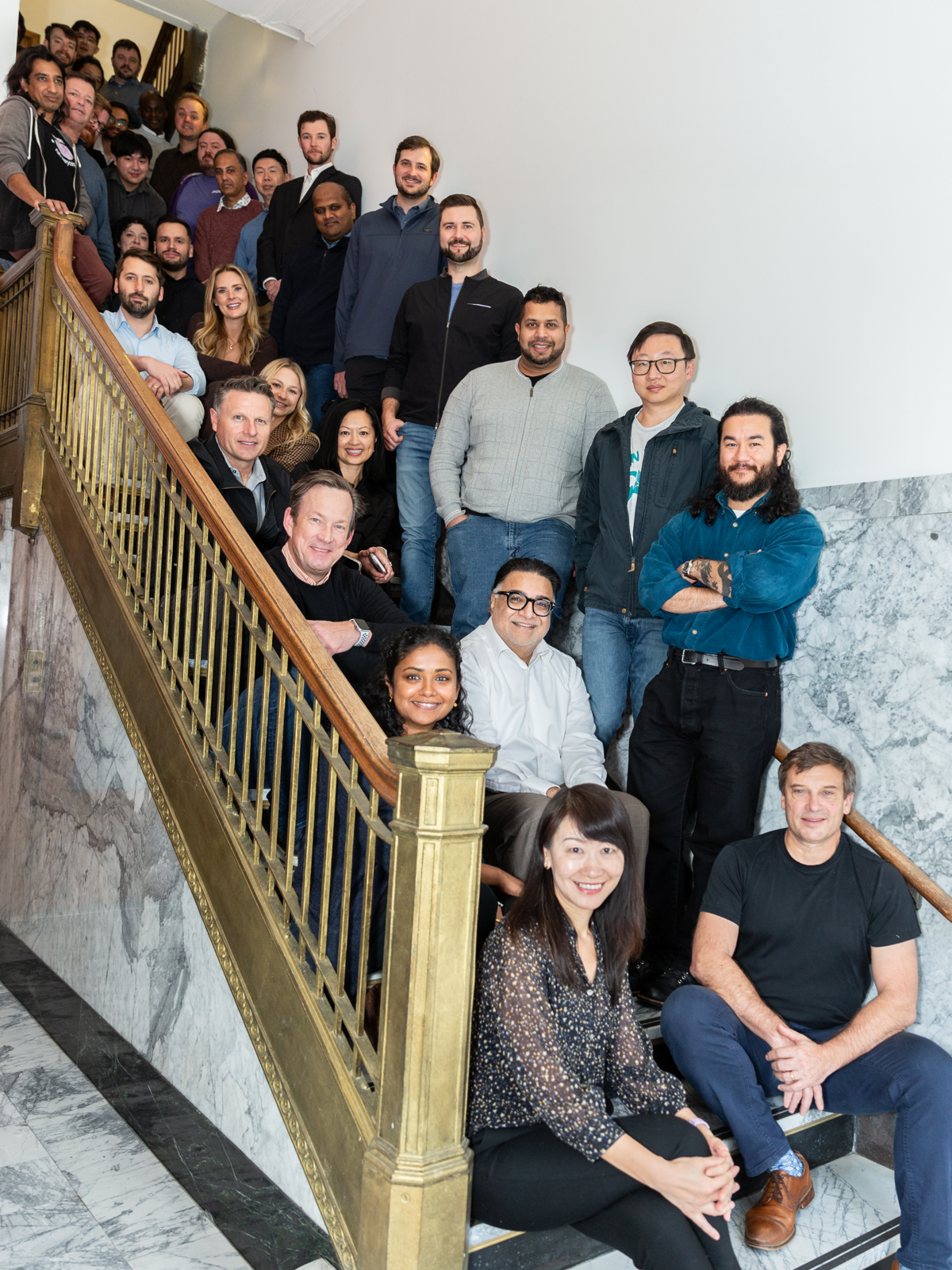
Given her own life experiences and those seen through the eyes of her parents, Tina knows first-hand that leading a start-up involves risk. When discussing what she and her co-founder are building at Nue, Tina often emphasizes the importance of the people. She offers a deep appreciation for the risk her team is taking to join a rising company and does everything she can to honor their trust in her and the company’s vision. To Tina, the chance to create something meaningful with her team is what drives her forward—the same kind of steady, thoughtful risk her parents modeled.
Carrying It Forward
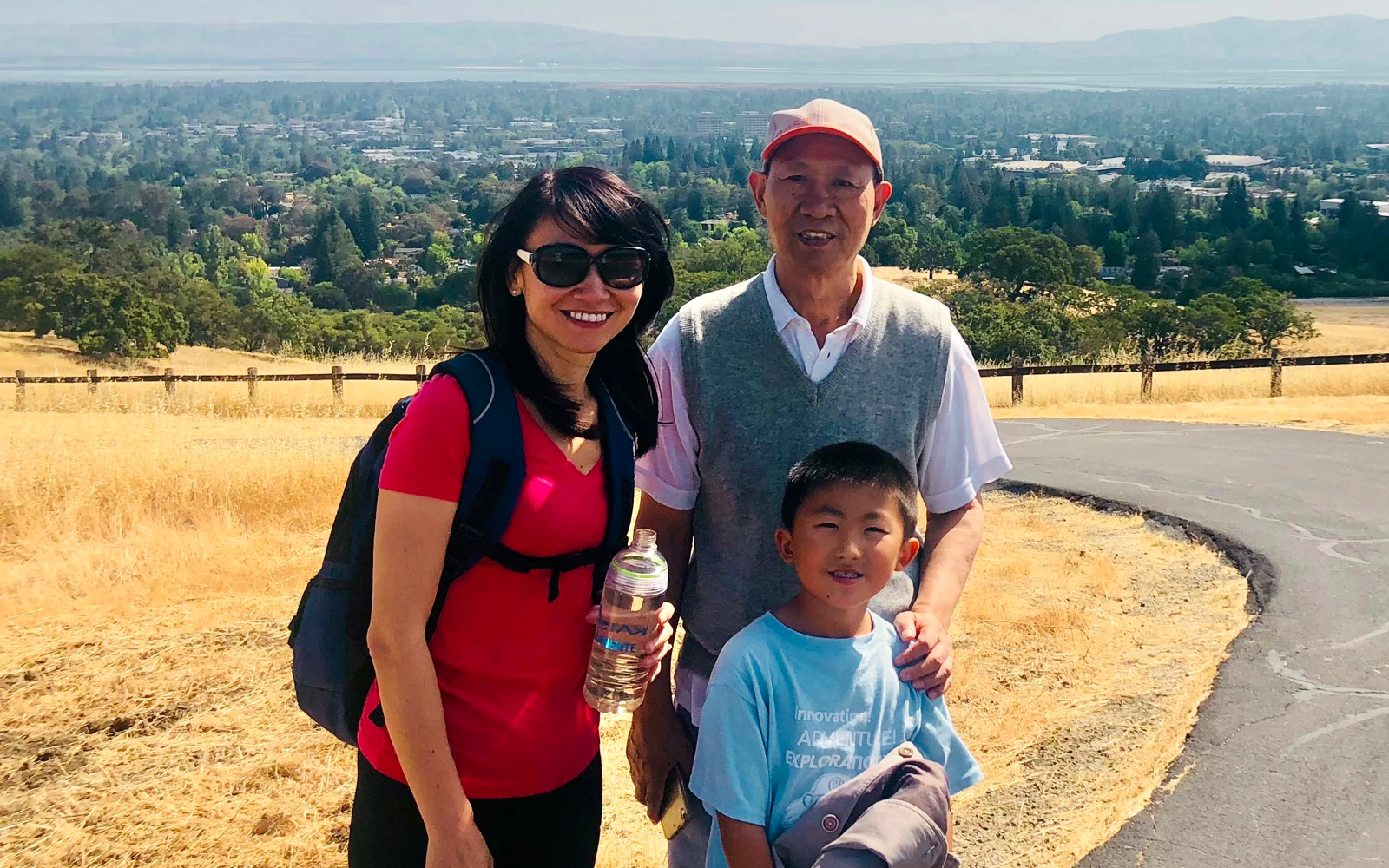
Now, as both a founder and a mother, Tina tries to pass those same lessons to her son. He doesn’t sit in on family debates the way she once did, but she teaches by example—helping him debug his software projects, showing him how to test, fix, and try again. She hopes that these moments will create lasting experiences for her son, just as repairing and building with her father did.
On a recent visit home to Beijing, Tina discovered that the fan she built with her father decades ago still works. Forever the tinkerer, her father repurposed the fan to meet his current needs better—after a few adjustments, he relocated it above the dining room table to enjoy his meals with a cool breeze.
The enduring presence of their patchwork fan is as solid as the bond between father and daughter, a reminder of their resilience, and an affirmation of what’s possible when you are brave enough to follow your heart.
Up next

General Catalyst leads $40M round for Local Kitchens, a different kind of restaurant kitchen startup

The Founder Apple Let Get Away