The Founder Who Refused to Sit on the Other Side of the Couch
The Founder Who Refused to Sit on the Other Side of the Couch
Shaped by a borderless childhood and a family of activists, Svanika Balasubramanian founded rePurpose Global, knowing real impact comes by changing the system, not accepting its limits.
As Svanika Balasubramanian sank into the couch after a long day of moving, she quickly realized the arrangement was all wrong. From where she sat, the skyline was partially blocked, so she began rearranging every piece of furniture.
Her friend pointed out the obvious—just sit on the side of the couch with the view. But for Svanika, that missed the point. Why not let everyone get the full view? That impulse, to reconfigure the system around her rather than accept its constraints, has guided her entire life.
A Borderless Childhood
Born in India but raised in Oman, Svanika grew up in classrooms filled with children from more than a hundred countries. Her accent, as her mother would describe it, was a patchwork of British, American, Indian, and Malaysian. Borders, to her, always felt arbitrary.

Summers in India deepened that worldview. At her grandparents’ home, an enormous banyan tree reigned over the backyard, and every afternoon her grandfather’s friends — teachers, farmers, activists — would gather nestled between the roots and cooled beneath its shade. They lit cigars, filling the air with thick plumes of smoke spreading like fog. They would debate Karl Marx, Mao, and the future of India, exploring whether caste could truly be abolished, whether women could ever work at equal rates, and whether the country could catch up to China.
The intensity of those conversations was a gravitational pull for Svanika. There was a diversity of men and opinions; they would debate fiercely but always embrace as brothers in parting. Some were agitators who would lead strikes, spend nights in jail, and return the next day as if it were routine. Her grandfather would casually mention who he had seen when he was detained, the way another family might recount bumping into a neighbor at the market.
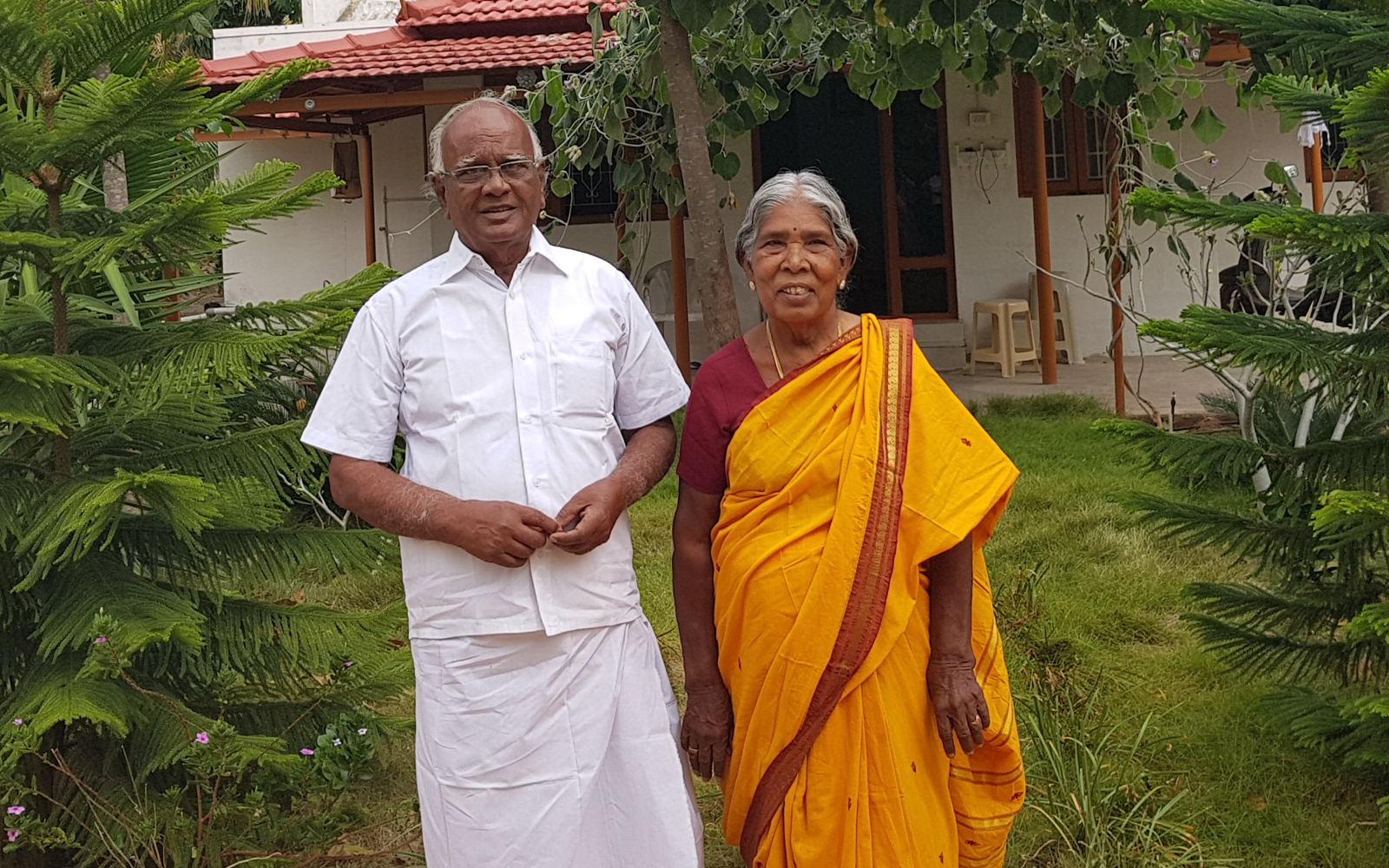
In Oman, she lived under the stability of a benevolent monarchy and among peers who made the world feel borderless. In India, she experienced grassroots democracy and resistance. The contrasts left her with a conviction early on: for life to be consequential, it must be in service of something bigger.
Finding Purpose
For a time, she believed exposing injustice was her path. As a journalist with the Pulitzer Center, she documented the lives of migrant workers and domestic laborers in the Middle East, tracing chains of exploitation stretching invisibly across borders. As she wrote about the problems, she realized her calling wasn’t to expose them, but fix them. Svanika recalls her realization, “Everything, at the end of the day, is a capital allocation problem. The solutions exist, the resources exist — you just need to make them meet.”
That conviction led her to the University of Pennsylvania, where she arrived a day before orientation, her first time in the United States. There, she learned how profit and purpose might coexist, and how the visceral reality of the world she experienced could be confronted with capitalism.
After Penn, she leapt into entrepreneurship to address what many see as an insurmountable problem: the waste crisis. What drove her to tackle such a considerable challenge isn’t ambition, but what she calls “moral ambition” — the fusion of scale and purpose. Solving a problem for one village takes the same effort as solving it for a thousand, she argues. Why not design for the thousands?
When rePurpose Global began, the company cycled through experiments — an “Uber for trash” in Mumbai, a waste-management aggregator, and even sustainability education programs. All of these efforts failed. But Svanika never anchored her identity to any one solution; instead, she chose to tie herself to the problem.
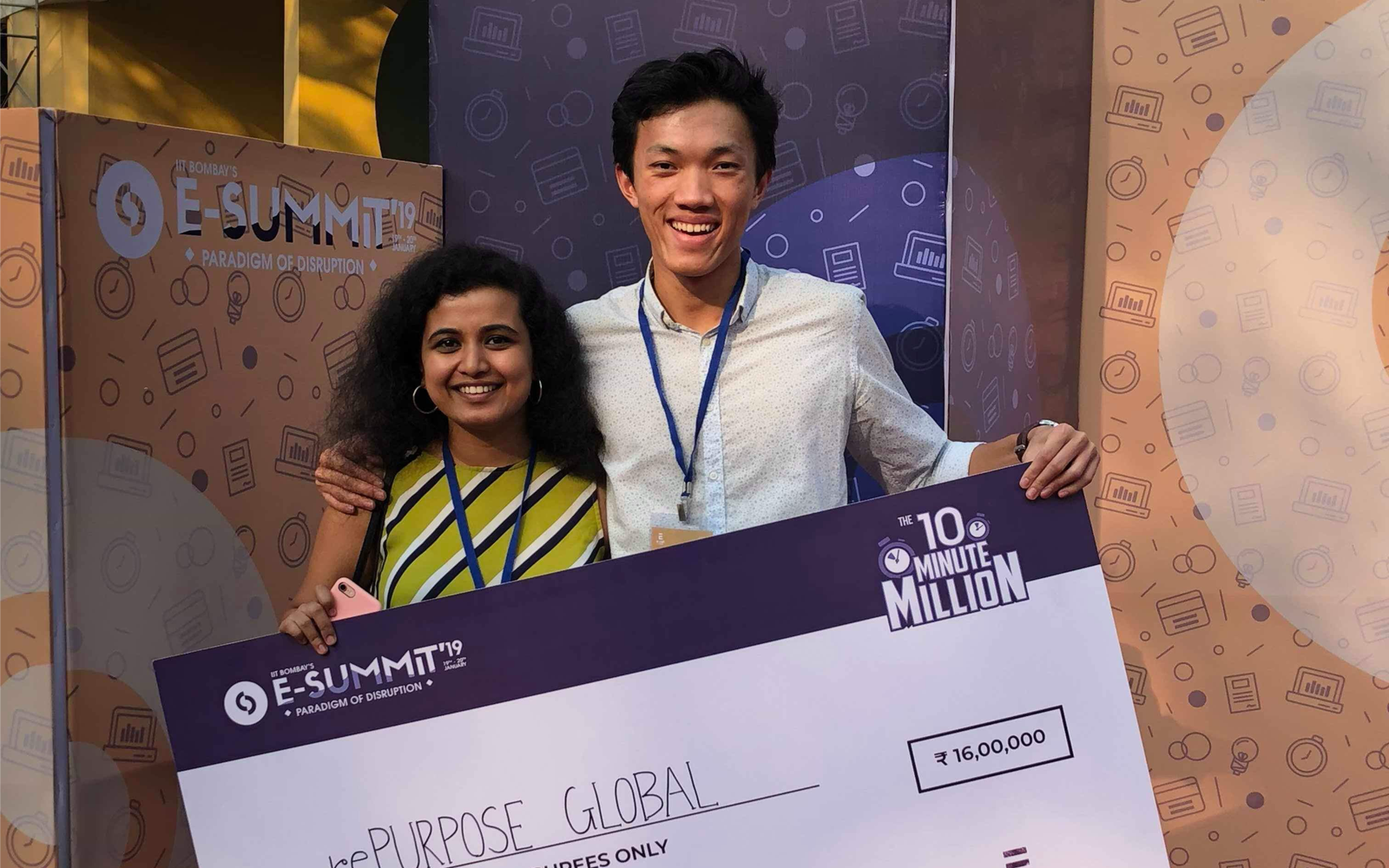
She likens it to Formula 1 racing: entering the same race again and again, swapping out cars, drivers, or engines each time, trying to win. “Eventually, you do,” she says. “Not because everything stayed the same, but because you committed to the race.”
For Svanika, her race is about making purpose meet profit, and her winning formula is the success of rePurpose Global today. As the leading Packaging Sustainability & Compliance platform for CPG brands, rePurpose Global has recovered over 100 million lbs of plastic from vulnerable ecosystems by scaling recycling infrastructure across 7 countries, in partnership with over 500 companies.
‘Why not’ is a question Svanika asked throughout her entire life: why not have a borderless view of the world? Why not tackle the most significant problem? Why not rearrange the entire system? And why not keep trying until you win?
Up next

Blee raises $27M for marketing compliance software

Former cyber spy raises $60 million to fight AI threats