Voice First: Helping Companies Listen Again
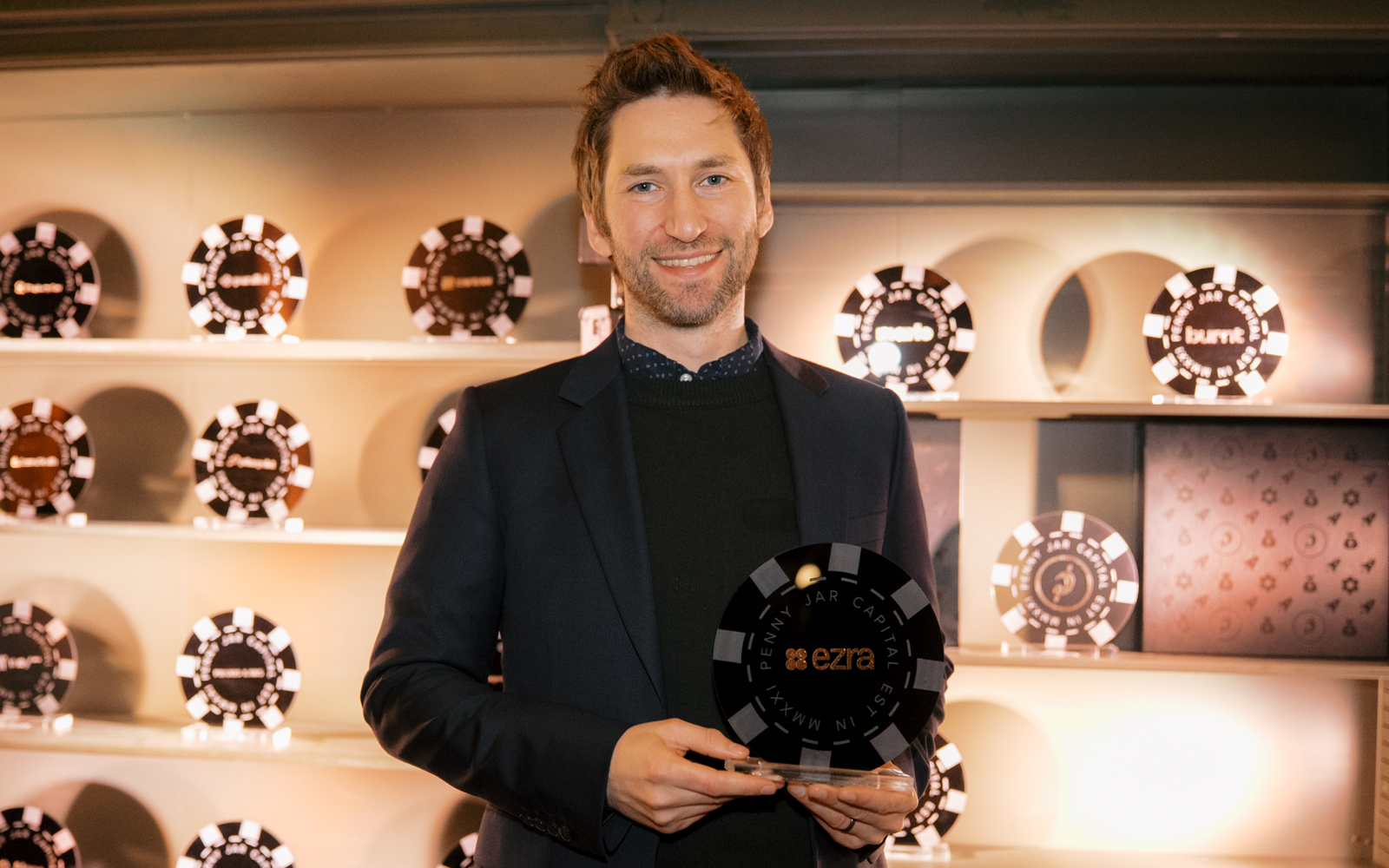
Rich and I first met Ophir Samson more than ten years ago at Stanford. We were all in the MBA program together, surrounded by ambitious, talented people charting their next moves. But even in that environment, Ophir stood out.
Most of us were trying to figure out what we wanted to accomplish next, but Ophir thought about it differently; he was focused on where his curiosity would lead him next. He cared more about learning and truly mastering whatever he found most interesting, rather than impressing a room with the next achievement. Whether it was mathematics, technology, or something completely unrelated to work (magic!), he approached every interest with the same intensity and joy.
Over the years, Rich and I stayed close with Ophir as his career unfolded in unexpected directions. We watched him move from academia to startups, from finance to autonomous vehicles, and eventually into the emerging world of voice AI. Each step looked different on the surface, but they all reflected the same underlying pattern: a desire to take on hard problems that matter and to go deep enough to truly understand them.
So when Ophir called to tell us he was building a company to rethink hiring, it immediately made sense.
Hiring today is in a difficult place. Application volumes have exploded. Fraud is rampant. AI tools have made it easier than ever to generate polished resumes and cover letters. Recruiters are overwhelmed, often reviewing hundreds or thousands of applications for a single role. The result is a process that feels increasingly transactional, where qualified candidates are missed, and real signal gets buried under noise.
Ophir believed the core problem was simple. Hiring had become too focused on documents and not focused enough on people.
That insight became Ezra.
Ezra is a voice AI interviewing platform that gives every applicant the opportunity to be heard through structured conversations. Instead of relying on keywords and resumes, Ezra helps recruiting teams evaluate candidates based on how they think, communicate, and solve problems. It creates consistent, comparable data at scale while making the process feel more human for both sides.
It’s a thoughtful, practical approach to a challenge that almost every company faces.
What makes Ezra compelling is how naturally it fits Ophir’s background. He brings a rare combination to this problem: deep technical expertise in AI and machine learning, years of experience building complex systems at companies like Uber and Aurora, and a genuine appreciation for the human side of technology. Voice AI sits at the intersection of all of it.
At Penny Jar, we have said Ophir was built to lead in the AI renaissance. For over a decade, we’ve watched him master a wide range of fields, driven by curiosity and an unmatched will to invent, build, and iterate. Ezra feels like the culmination of that journey, combining the science of AI with the art of relationships to reinvent hiring at scale.
At Penny Jar, we look for founders who see around corners and who bring unique credibility to the problems they choose to solve. Ezra sits at the intersection of two massive shifts: the rise of generative AI and the growing need for a better way to evaluate talent. Ophir is uniquely qualified to navigate both.
We’re proud to co-lead Ezra’s $3.2M seed round alongside LMNT Ventures, with participation from a16z Speedrun and Telegraph Hill Capital. More importantly, we’re excited to support a founder we’ve believed in for a long time as he takes on one of the most important challenges in the modern workplace.
Hiring is ultimately about understanding people. In a world increasingly filled with automated noise, Ezra is helping companies listen again.
Congratulations to Ophir and the entire Ezra team. We’re grateful to be on this journey with you and excited for what lies ahead.
Up next

Our Investment in rePurpose

The Founder Who Refused to Sit on the Other Side of the Couch