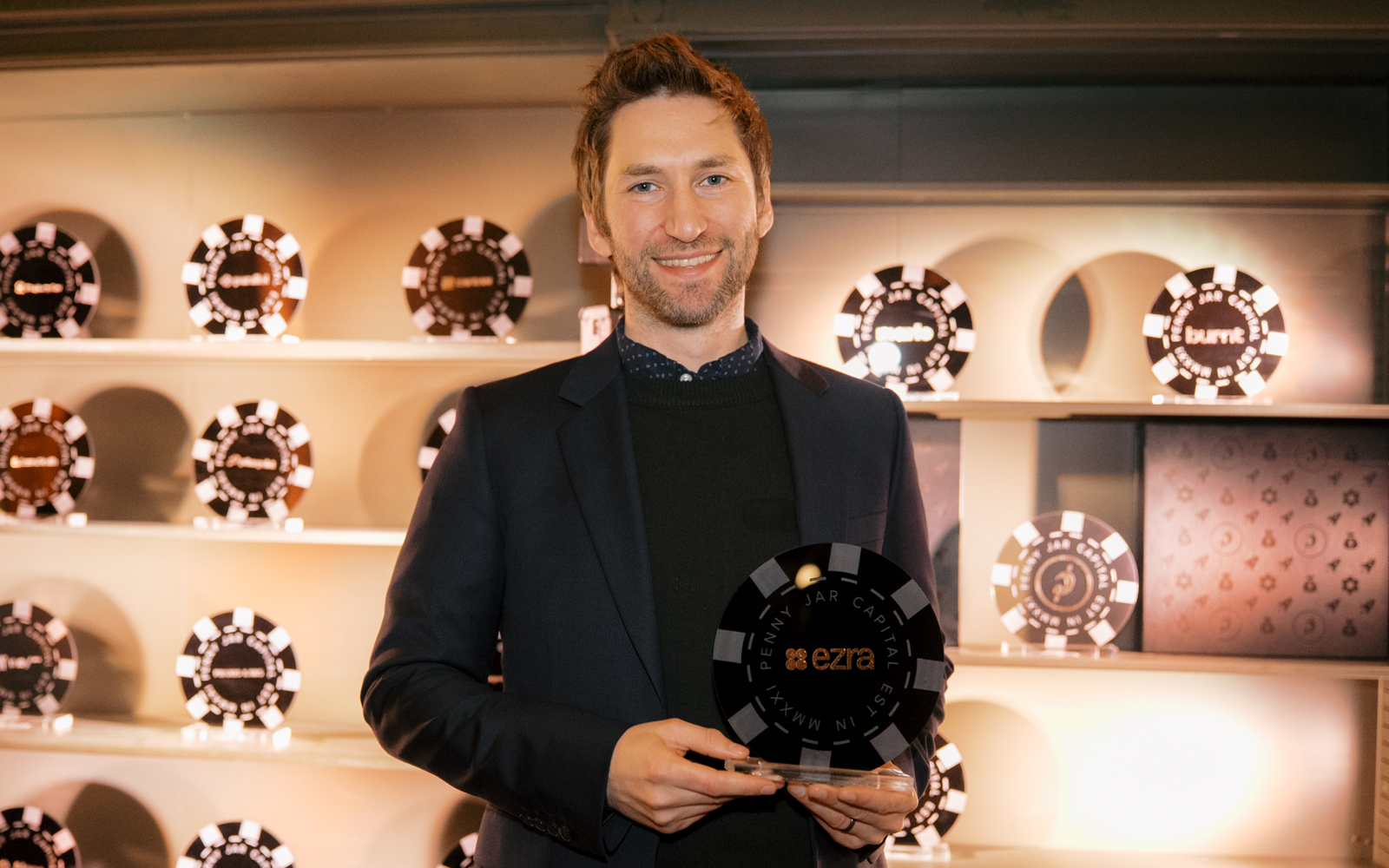
The Founder Apple Let Get Away
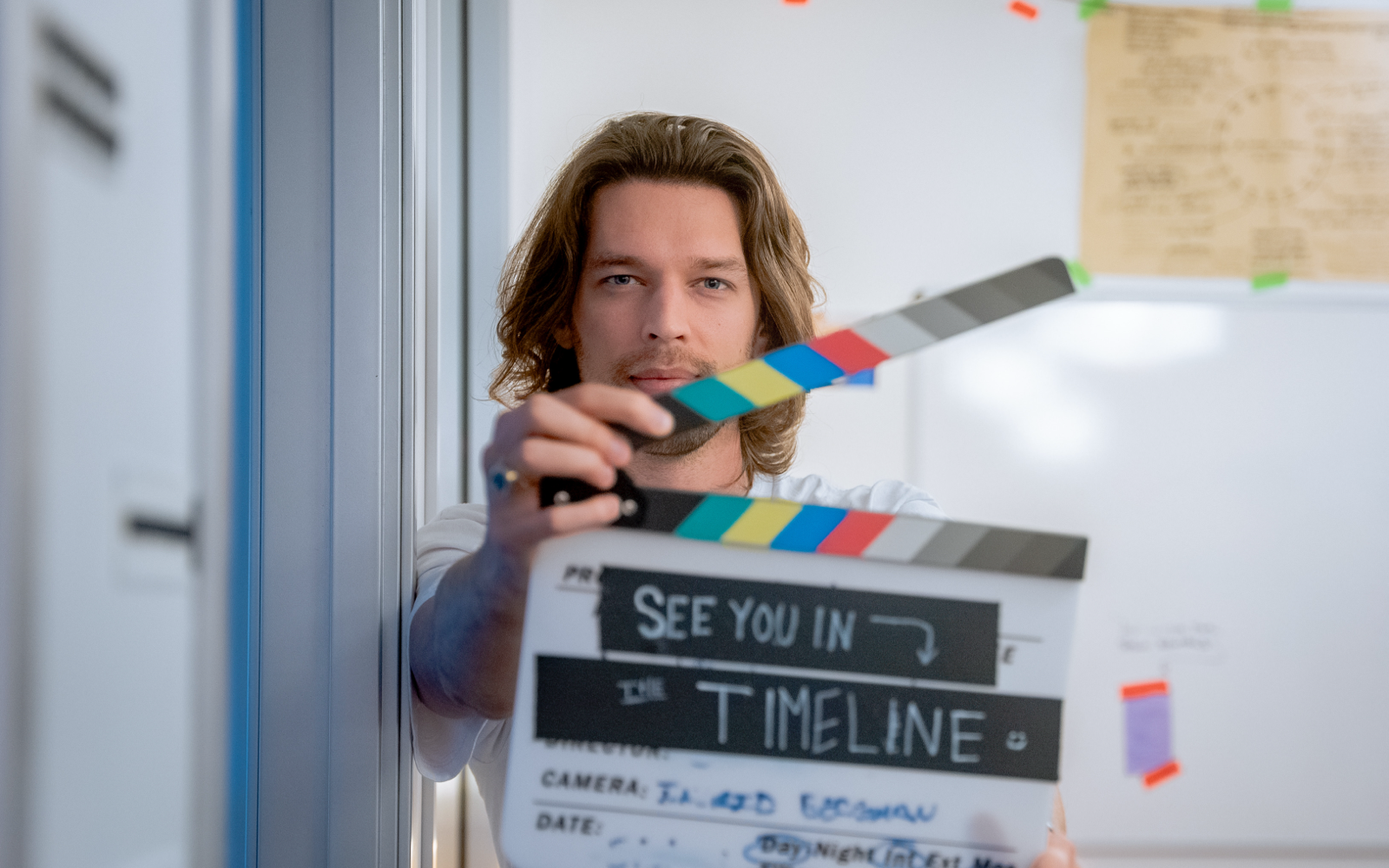
The Founder Apple Let Get Away
At the age of five, Luke McGartland’s chance trip to the movie theater ignited a love for film, leading him on a path that included dreams of attending film school, an invitation from Dr. Dre, a rejection from Apple, and ultimately the founding of Sequence, a cloud-native editor for video production.
Growing up in rural Missouri, where the cornfields outnumbered the residents, Luke’s close-knit family made frequent trips together to the public library. While VHS movies made regular appearances, the local cineplex just wasn’t a destination of choice. This made the rare outings to the movie theater special. His childhood imagination went into overdrive—somehow, when he grew up, he’d be part of this world.
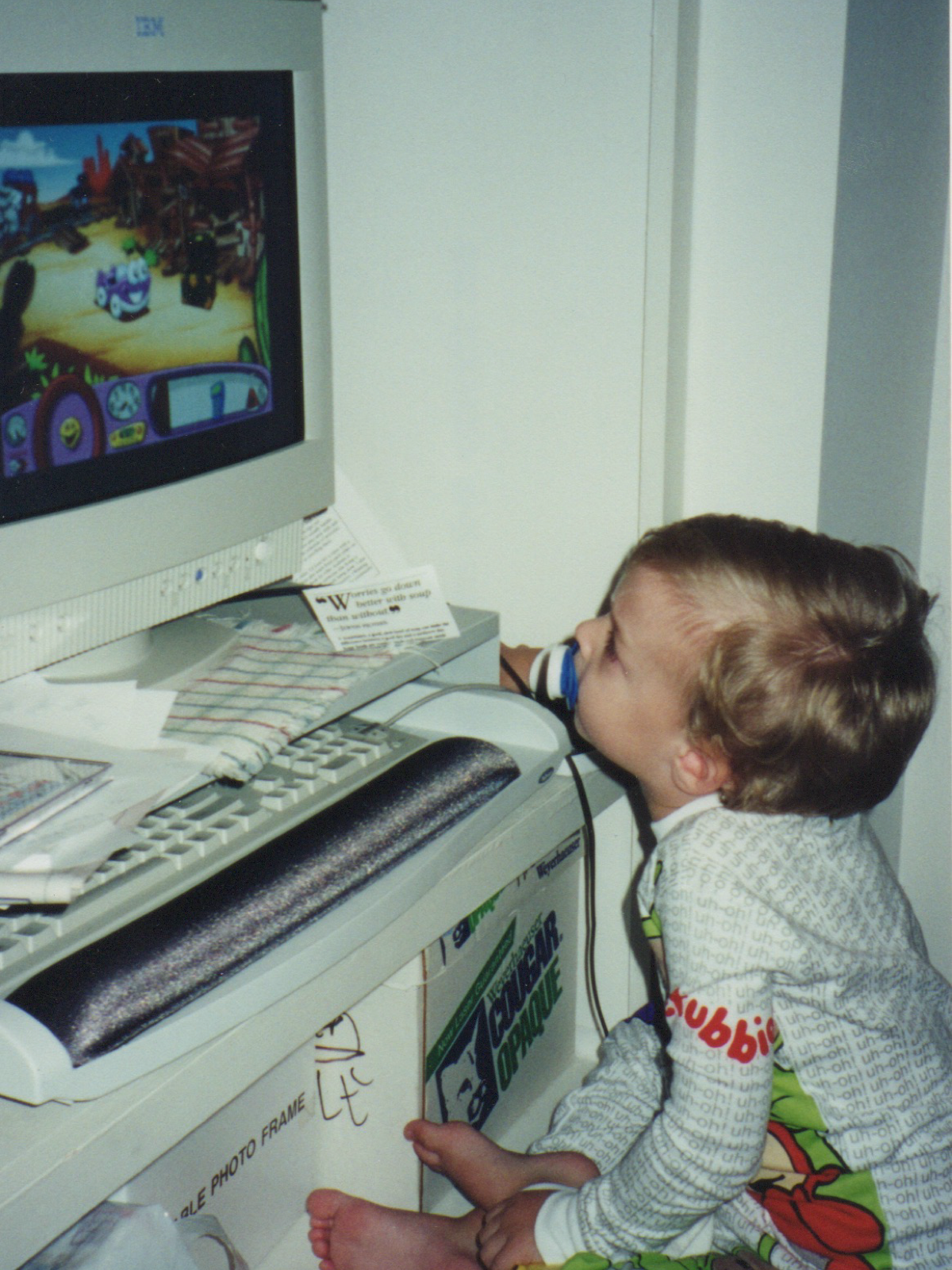
From Cornfields to Benedictine Monks
In his pre-teen years, Luke loved to build with LEGO bricks and create stop-motion videos—early signs of his storytelling drive. When Apple launched the App Store, he felt certain: the future was in apps, and he needed to build one. Inspired by his growing interest in LEGO robotics and programming, he imagined creating something in that world.
There was just one problem: app development required a Mac, not the family PC. For two summers, Luke mowed lawns and saved every dollar, singularly focused on buying the machine that would let him build an app. By the end of the second summer, the Mac was his—and with it, the possibility of turning ideas into reality.
Around this time, his schooling changed dramatically. Luke moved from a public school in the middle of Missouri farmland to an all-boys Catholic school run by Benedictine monks in St. Louis. At first, the adjustment was challenging. He started in eighth grade, but all the other students began the school in their seventh year, completing the Latin requirement. As an excellent student, being behind his peers was a very unfamiliar position.
Luke dealt with the challenge the best way he knew how, by coming up with a plan and sticking to it. He thought that the best way to help him conquer Latin was to gamify it—he was going to build a Latin-English dictionary app. Built painstakingly from his textbook glossary, it became his first published app on the App Store. For $1.99, other students could download it and use it to keep up—his days of mowing lawns were over.
What started as a struggle became his first taste of building something useful, of solving a problem in a way others didn’t see, but everyone could use.
Filmmaking Dreams and Dre’s Call
By high school, Luke’s early dreams of filmmaking took center stage. He became the person with the video camera, directing skits, and even producing a take on Modern Family with his extended family—an endeavor the children in his family adored and the adults politely tolerated, and then fell in love with after seeing the finished product. Editing in Final Cut Pro gave him the same adrenaline he’d once felt during his first movie theatre experience.
When it came time to think about college, Luke was unsure. Despite his impressive list of academic accomplishments, he simply didn’t see college as a good fit. The structure was too restrictive; applicants had to choose: liberal arts, business, or science. He didn’t fit into any one column—he was always most comfortable at the intersection of the big three. He entertained the idea of attending film school, and part of him even considered skipping school entirely and trying to “Zuckerberg it” in Silicon Valley.
Then he discovered a newly introduced program at the University of Southern California (USC) from Jimmy Iovine and Andre “Dr. Dre” Young, designed for the dreamers who wanted to blend the arts, technology, and business into something bigger. Luke felt like the program was designed for him. Given that this was the program’s inaugural year, the university was incredibly selective, requiring applicants to submit lengthy applications and sit for in-person interviews, with many hopeful students vying for the limited space.
Luke applied and flew to California for the first time for a series of interviews. When he was back in Missouri, he received an acceptance unlike any other: a personal video message from Dr. Dre and Jimmy Iovine welcoming him to the program. For Luke, it was validation. He hadn’t just landed in a place to earn a degree; he found a program crafted for people like him, where his eclectic mix of interests could thrive.

Apple’s No, and the Spark of Sequence
At USC, Luke flourished, but the moment he had been aiming for—an internship at Apple on the pro video team—didn’t come through. After what he felt was a strong interview, he was rejected. He took this in with the same “what’s next” approach that guided him throughout his life.
He leaned into technology, joining a satellite telecom company, working on Wi-Fi portals across Latin America. The work was interesting and technically challenging, but it didn’t connect with the intersection of creativity and business that had motivated him from the start.
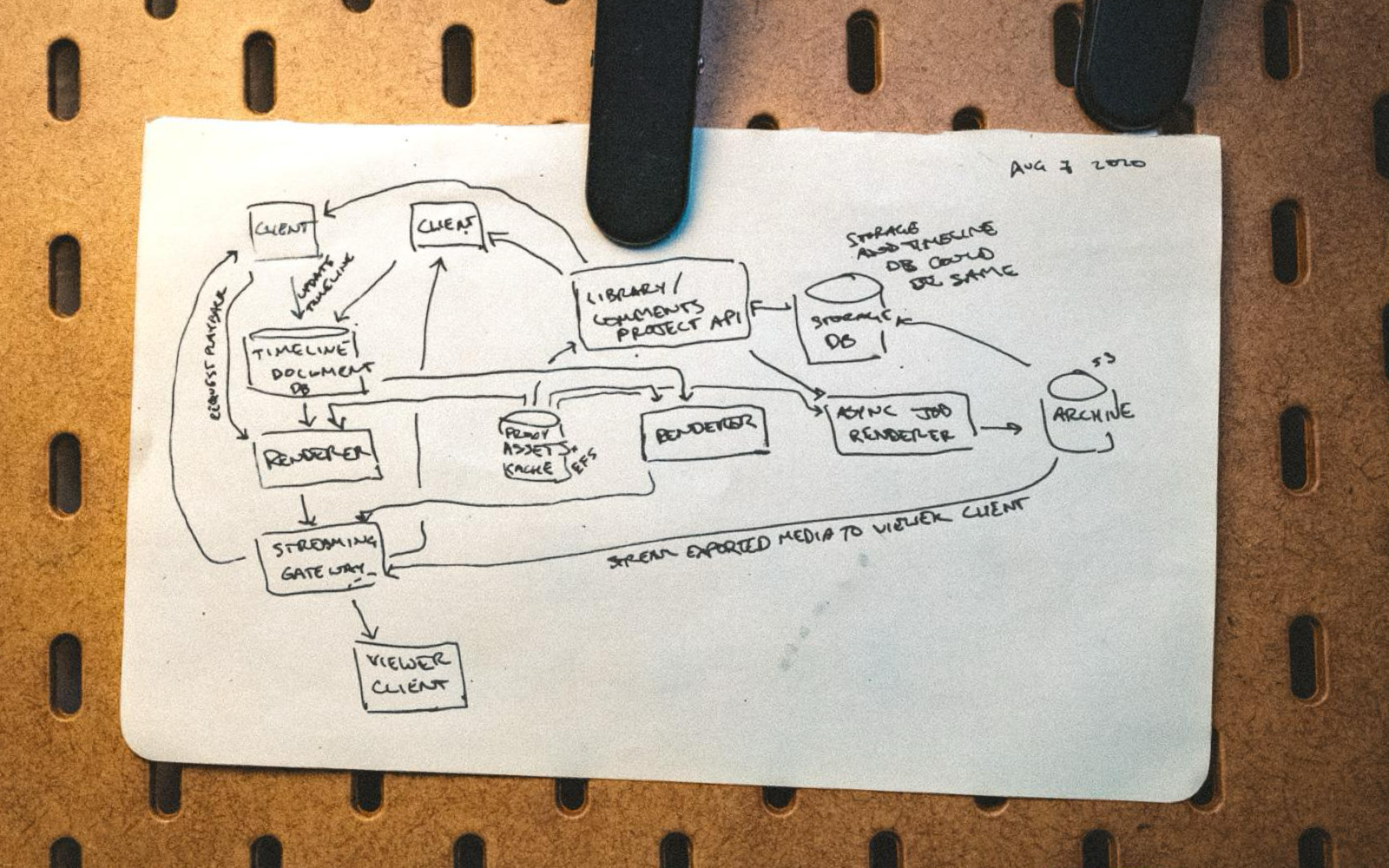
Then the pandemic hit. While working on a video project, Luke tried to edit on his personal Chromebook and quickly realized it wasn’t possible. The device simply couldn’t handle it. That moment sparked a bigger realization: why wasn’t there a Figma for video editing—a cloud-based tool that could handle the workload regardless of device? He hit another snag when he tried to collaborate with a former USC classmate. He added to his question, why isn’t there a way to collaborate on video like you do in documents in the cloud? He quickly sketched an idea for what would become Sequence.
The drawing laid out the basic architecture, and remarkably, it remains nearly identical to the system that exists today. He keeps that sketch framed in his office as a reminder of how clearly the vision came into focus.
A Manifestly Important and Nearly Impossible Mission
For Luke, the challenge is clear. Building professional-grade video editing in the cloud is not only technically demanding—it’s the kind of problem that feels, in the words of Luke’s hero, Polaroid founder Edwin Land, “manifestly important and nearly impossible.”
That’s precisely the kind of work Luke wants to be doing. It brings together the strands that have defined him from the start—art, technology, and business—in a way no traditional path could.
The boy who left a small-town theater thinking he might one day make movies stayed true to that impulse. He didn’t end up making films, but rather reimagining the tools that allow others to tell their stories—fulfilling the dream first sparked by the big screen and the conviction that he was meant to do something bigger.
Up next

Our Investment in tokenproof
The Spiritual Experience of Building a Company: Insights from Renato Villanueva